
Wiberg’s
Farm managers
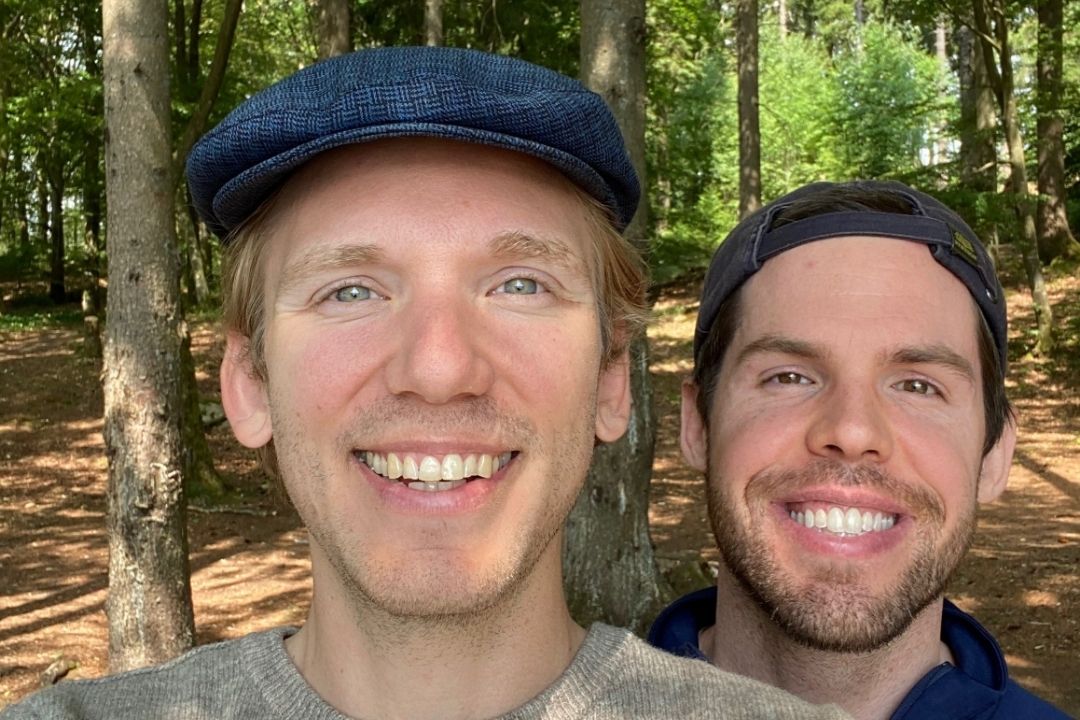
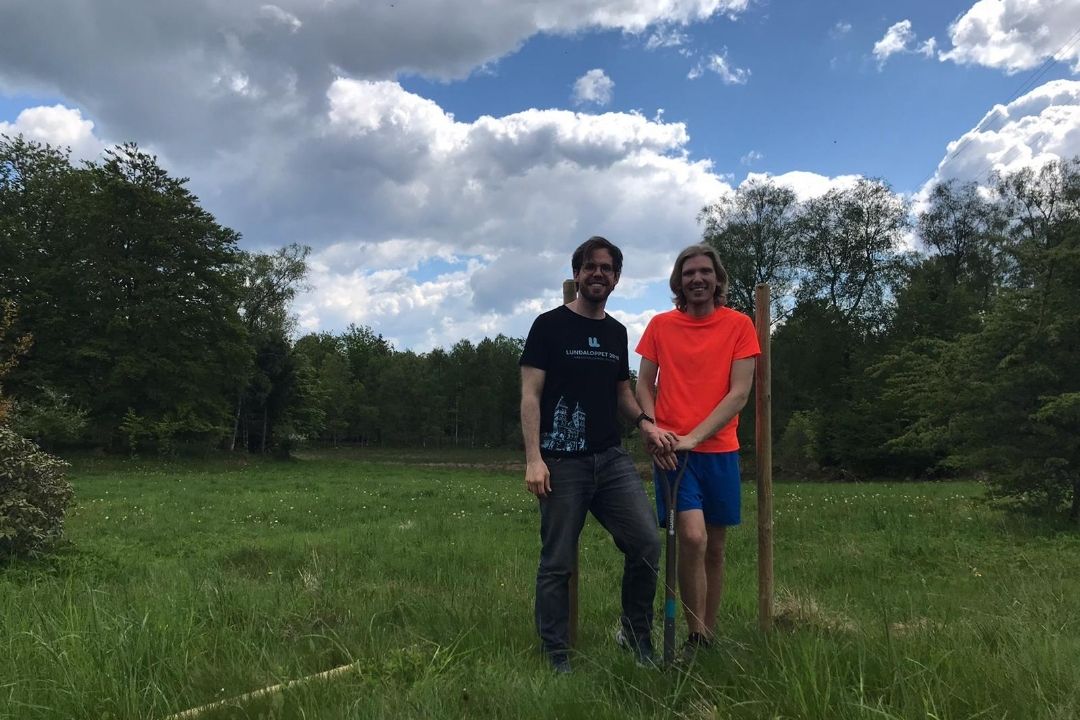
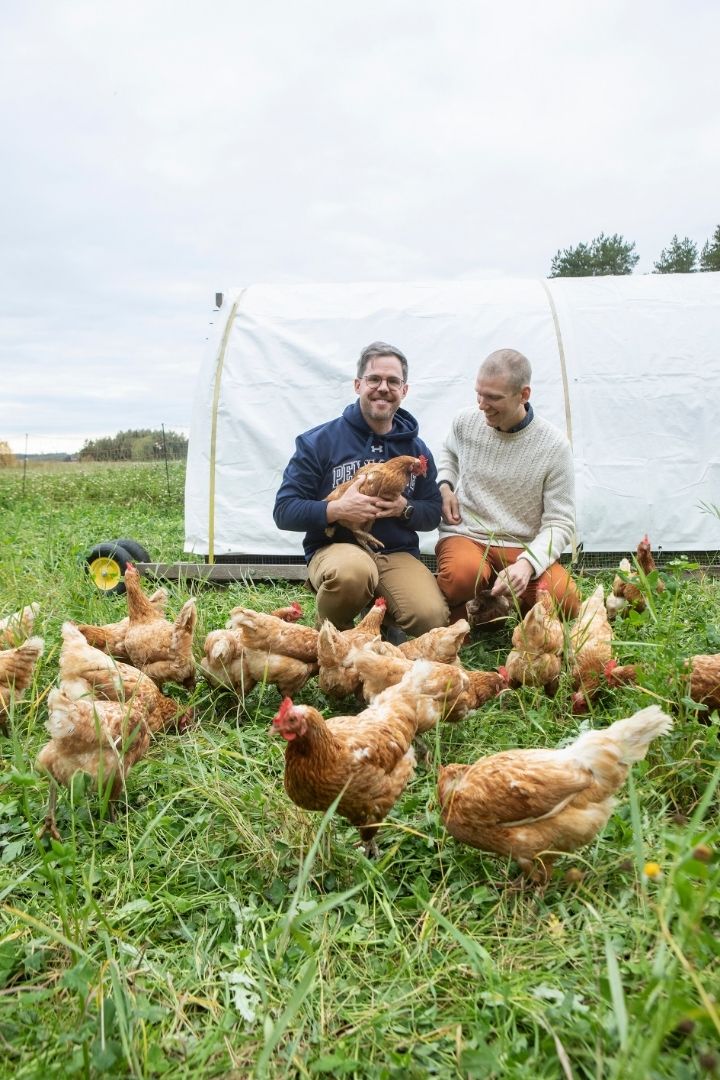
Johannes Härri & Steven Curtis
Farm name
Wiberg’s
Farm type
Mixed Farming
Location
Salo, Finland
Farm size
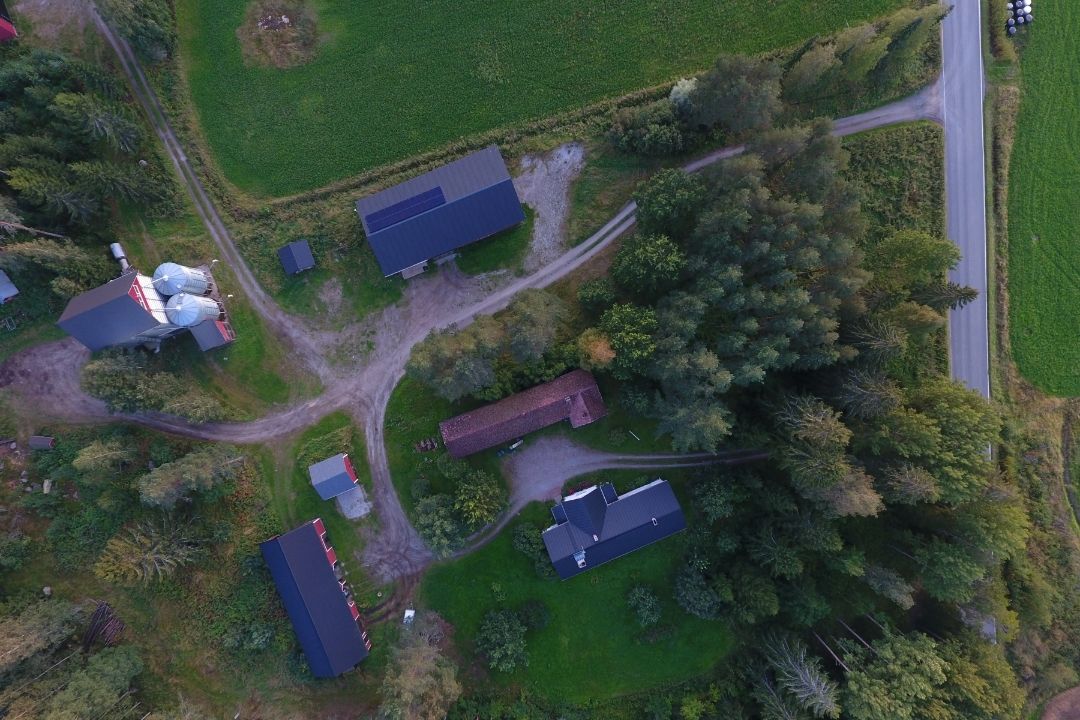
88 hectares
Primary soil type
Silty clay soil
Temperature range
-25° – 30° Celsius, USDA 6a
Average precipitation
700mm/ year
Social structure
Family Owned
Sales channels
Direct Sales to Customers
Produce
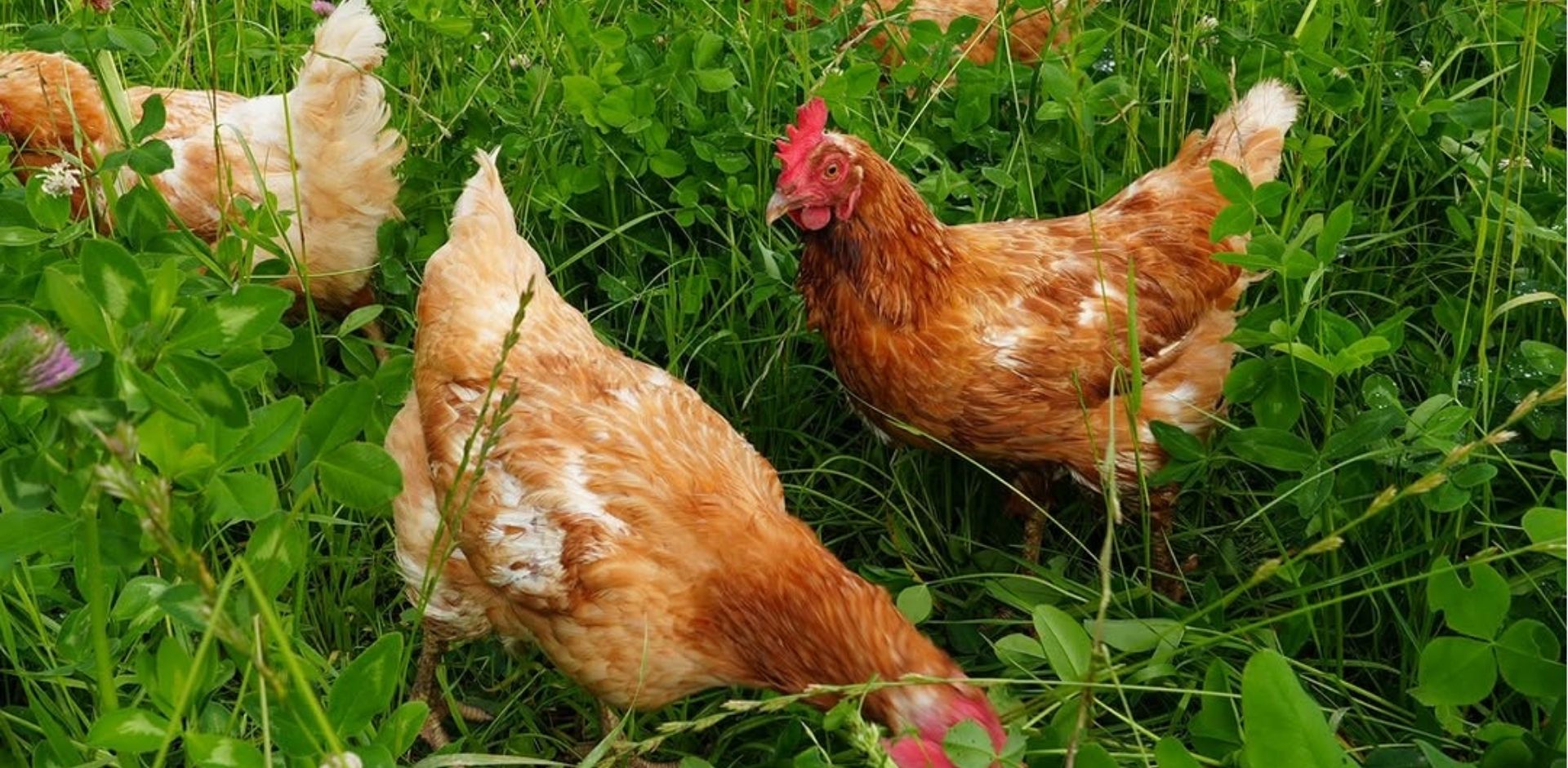
Primarily eggs, with plans to expand into milk, fruits, and vegetables in the future.
Contact



Coming Soon

Coming Soon
Wiberg's Farm
Wiberg’s transition to regenerative farming
Climate Farmer since
2025
Farm History
- The main house dates back to the 18th century and originally served as a roadside inn.
- In 1873, Karl Fredrik Wiberg purchased the property, and since then, successive generations have cared for the land.
- Until the Second World War, it was a diverse farm employing many people.
- After the war, Johannes’ grandfather and father focused exclusively on grain production.
- Today, Johannes and Steven aim to return the farm to its diverse roots, guided by regenerative principles.
Previous practices
- Since 2020, the farm has primarily produced organic grass
- The future of the farm is being planned with a focus on Holistic Management and the Soil Health Principles
- In the last year, priority was given to observation and understanding the needs of the land
Investment costs
- Laying Hens to rotationally graze
- Finnish Heritage Cows and a small micro-dairy, to rotationally graze as well
- Agrivoltaics installation – Vertical Bifacial solar panels
- Market Garden development
- Orchard design and plantation
New practices

Challenges we want to address with the transition
- Compacted Clay Soils with limited organic matter and microbial activity
- The pessimism and current perceptions that come with new farmers and the farming sector
- Difficulties regarding the legal requirements around regenerative farming
“Taking over the family farm, we see our role as stewards – between past and future generations exercising responsible care and management of land, resources, and community. Regenerative agriculture embodies and emboldens farming practices that ensure this stewardship, which is why we’re excited to embark on this transition.”
— The reason why Wiberg’s decided to transition to regenerative agriculture
Future ambitions
Being able to show that a small-scale regenerative farm can have success
Create a community to learn from each other and share the benefits of regenerative agriculture
Having the farm as a hub to bring people together for different activities.
This farm is part of something bigger.
So can you. Apply for the Regenerative Agronomy Training.
Our partners
Our partners
