
Diego Varona
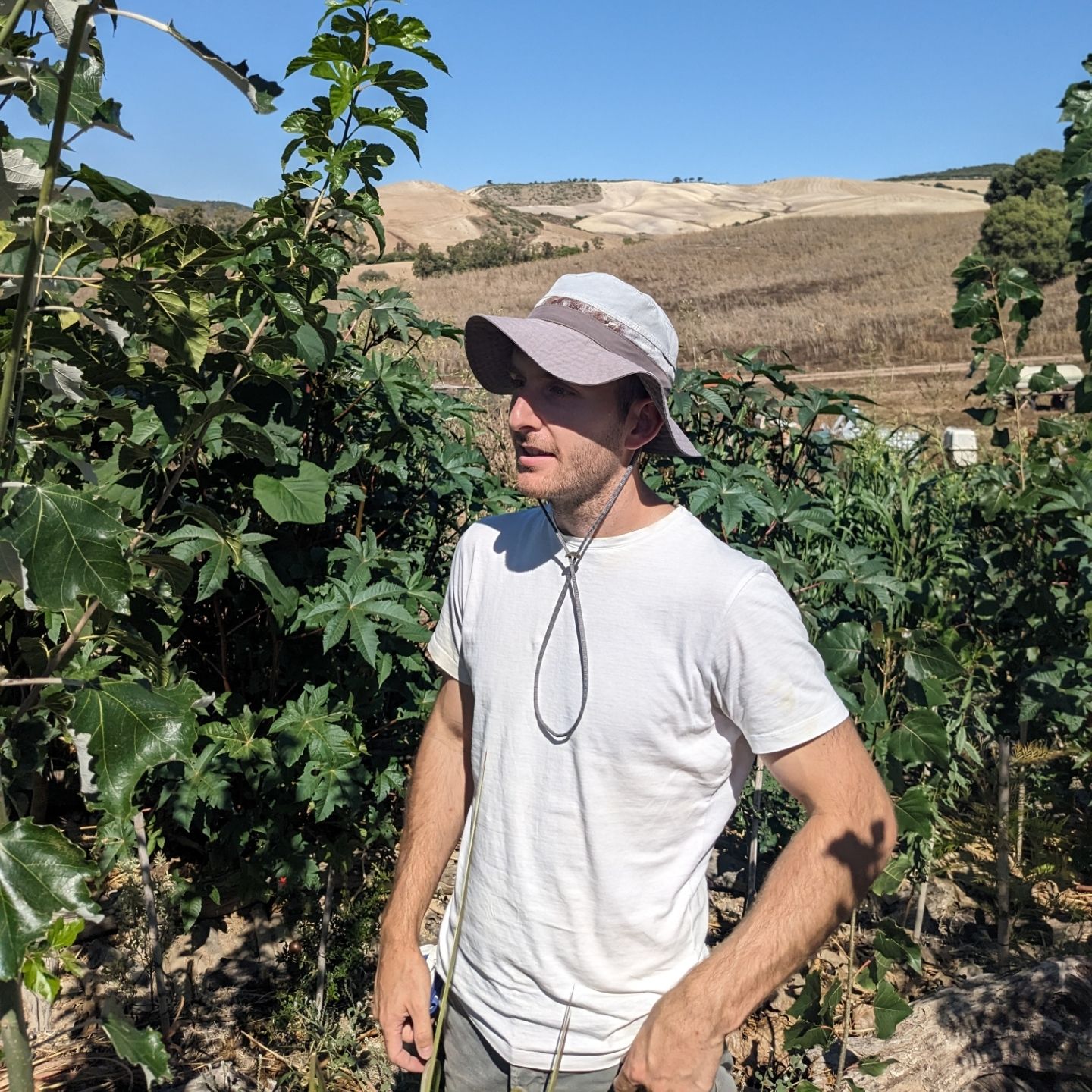
Diego Varona
Main Expertise
- Animal integration: farm animal management, rotational grazing, fencing, farm design
- Soil and Plant analyis
Language(s)
- Spanish
- English
Based in
Spain
Contact

Main Challenges for farmers transitioning
- Social pressure from neighbours
- Lack of knowledge for doing the transition
- Impatience as it takes time to see results and act upon them
Success stories
Water management in Spain is a big problem as we have lots of dry areas here. However, practices such as keyline design, the integration of dams, and keeping the soil covered as much as possible with cover crops are examples that provide realistic and practical solutions.
One principle you wish more people understood
That there is no a magic recipe to follow. It is all about keeping observing and adapting to new situations. It is an art, not an exact science.
“Regenerative agriculture is not merely a topic or career path; it is a personal and professional commitment that integrates my own beliefs. As input-intensive conventional systems is about to crash due to ecological and economic limits, regenerative agriculture offers a scientifically grounded pathway to long-term produce food while containing a clean planet.”
— What regenerative agriculture means to me
What you would say to future students of the agronomist program
- It is highly to recommend to have the capacity to travel and visit some farms to gain a lot of knowledge and experience from these pioneers.
- Future students should not expect to develop a in-depth knowledge of all agricultural practices, but rather focus on some priority once as the program takes only 6 months
- It has been a great experience to dive deeper into some topics in more depth. With the resources available in the program it is a very easy to get deeper into the topics of your interest. Key here is to use the resources and ask lots of questions
My future ambitions after this training
- For me it is clear now, that I want to only work in envrionments with especifical regenerative aims.
- To continue consulting work as an agronomist
- I also could imagine to work as a farm operator or manager to gain some more hands-on experiance
Learn Directly from the Experts
Apply for the next Regenerative Agronomy Training.

Our partners
Our partners
