
Pulicaro

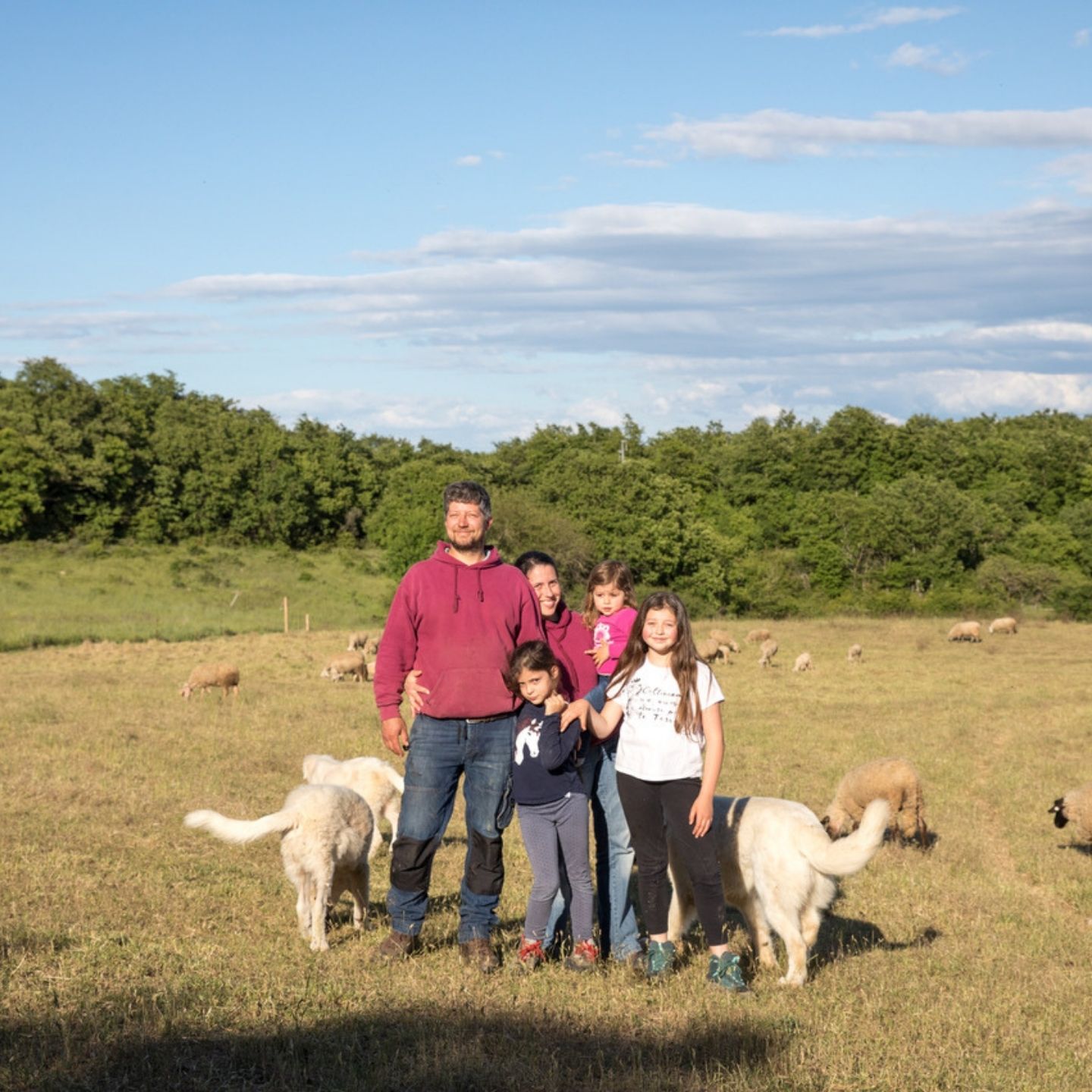
Farm manager
Marco Carbonara
Farm name
Pulicaro
Farm type
Mixed Farm with mostly livestock, as well as olive growth & fruit orchard (9ha), cereals, vegetable
Location
Lazio, Italy
Farm size
110 hectares
Primary soil type
Vulcanic basal soil, rather sandy
Temperature range
-17° – 35° degrees Celsius, USDA 7B
Average precipitation
600 – 880 mm/ year
Social structure
Family-owned farm
Sales channels
Agrotourism, farmers marktes, speciality shops
Produce
Different meats and eggs as main products
Contact


Grand Farm
Pulicaros transition to regenerative farming
Climate Farmer since
2021
Regenerative from beginning & 15 years organic
Previous practices
- Regeneratively from beginning on (from a ecologist perspective)
- Lots of try and error
- Started with adding complexity into the system
Investment costs
- Restoration of buildings
- Fencing
- Little Machinery investments: only one small tractor
- 70kwh of solar panels
- Greenhouse restoration for chicklets
New practices

Vermicompost
❍ Composting & Bio Fertilizers

Min till, no plough
❍ Minimal Soil Disturbance

Cover crops
❍ Cover Cropping

Direct seeding
❍ Minimal Soil Disturbance

Crop rotation
❍ Minimal Soil Disturbance

Mulching
❍ Water Cycle Restoration

Agroforestry
❍ Agroforestry
Challenges so far
- Very low fertility with a low soil organic carbon content in the beginning
- Climate is a challenge that is becoming bigger
- But regulations are the biggest:
- All regulation are made for big factories, there is no usefull regulation for on-pasture livestock cooperation
Outcomes so far
- Fertility increased from 0,9/1,2 % of organic matter to 3,2 / 3,5% of organic matter
- Soil keeps the warmth far longer: in the past all the grass stopped growing because of frost at -0,5°/-1° celsius. Now the soils are very well rebuilt and the grass became far more frost resilient and grows until -4° celsius, which leads to more photosynthesis and organic matter production. This extends the growing cycle by 20-40 days, which has huge benefits.
Learnings of your journey
- Look carefully: In ecology there is never a simple answer to a complex question
- If you don’t understand fully what you are doing, do not take a move
- Take your time for understanding and for observing
- All plants are bio indicators in ecology. “Weeds” are not existing: most often weeds do not just tell what you did wrong but they are often part of the solution
“I want to open the farm to other people, to boost the process of our regenerative transition, but also to receive new ideas from different points of views; from other people that will come to the farm.”
— The reason why Pulicaro decided to become a training farm
Future ambitions
Working even more on the social part of the farm, because farms are still just considered as classical companies with very hierarchical structures, it would be great to work together with other farmers on creating more horizontal structures
Working on regulation and policy work, both with the aim to enhance the percentage of youngsters in farming systems


This farm is part of something bigger.
So can you. Apply for the Regenerative Agronomy Training.

Our partners

Our partners
